Table of Content
The contractor you hire to put in your pool will charge a separate rate for labor, so don't forget to factor their pay into your initial budget. Another disadvantage of vinyl pool liners is that they have a tendency to bubble, wrinkle, and pull loose. This means they may need regular adjusting in order to keep their attractive appearance. If you expect your pool to receive heavy use, investing in a long-lasting material like concrete can cut down on the cost of repairs in the long run. You may have a limited number of options in regards to your pool’s overall dimensions, depending on where you decide to put it. There may be state or local guidelines that you have to follow for your pool, like how far it has to be from your property line.
After that, the waterproofing is complete, the texture coat is applied, the painting is finished, and the final coat of paint is applied. Once the plaster has been installed, the rest of the pool area will need to be finished. Decks, arbors, patio covers, barbecue seating, and the like are just a few examples.
Build A Swimming Pool
You will need to hire a professional to excavate the hole in which the pool will be built. Steel supports will help to keep the sides in place in the future. The filter, plumbing fixtures, and electrical connectors will need to be buried underground. In-ground swimming pools are subject to building and zoning regulations, so you must apply for a building permit and receive approval before any work can begin. The cost of building an inground pool is generally higher than that of building an aboveground pool, but depending on the type of pool, it may be worthwhile.
Local construction departments often require fences to obtain permits. When considering a vinyl pool, be aware that pool toys, pets and sharp objects can puncture the liner. And while liners can be repaired, it’s best to choose one that's at least 20 to 30mm (about ¾ to 1 in.) thick. If you want to avoid using chemicals in your pool, sand and gravel sealer is another option.
How To Raise Total Alkalinity In Swimming Pool?
At this point, you’ll need to bring in a licensed plumbing expert to set up the pool’s water circulation and filtration systems. The building crew will go around the circumference of the hole setting metal rebar and wooden boards. These materials are used to create shape and provide support. To do this, they may need to use a backhoe and other heavy machinery.
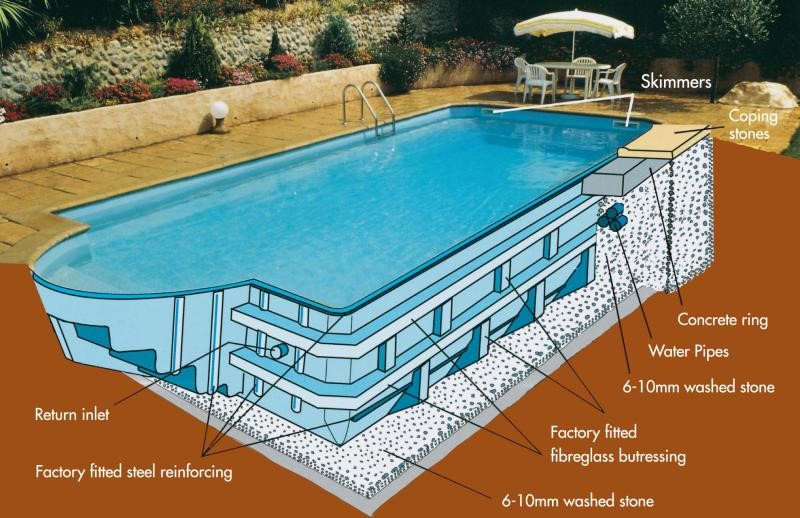
The arrangement is necessary to replace the water lost from the pool due to splash out or evaporation. Compaction can be performed by natural soil or by using gravels. Use aggregates of size between 12 to 40 mm to compact and prepare the base.
What Is The Best Material To Build A Swimming Pool?
In the case of fiberglass pools, the contractors will bring the one-piece fiberglass shape on a truck and will set it into the ground for you. When you choose a pre-packaged above-ground pool, size is the main thing you will have to contemplate and think about where you want to put the filter and ladder. If you're thinking about having a pool added to your yard or home, there are many things to know and learn before you begin the process. The pool installation process may seem overwhelming at first, but it doesn't have to be.

Most homeowners use a garden hose to fill their pool, but it will likely take between 12 to 24 hours to do so. Some people opt to hire a water truck to fill the pool, but that comes with additional costs. After filling the pool, be sure to add any necessary chemicals that are included in the kit.
Planning Your Pool
Construction time for building a vinyl-lined pool is generally one to three weeks. Ground swimming pools are a great way to enjoy the water without having to worry about the waves. They are perfect for families with small children or for people who just want to relax in the pool. Ground swimming pools are also a great option for people who have a limited budget. No matter what type of pool you choose, there are some easy DIY projects you can do to add some personality and flair.

Then, you'll need to frame the sides with wood or metal rebar and install the plumbing and electrical lines. Once you've done that, you can pour the floor of the pool with cement and build the walls using cinder blocks. Finally, line the walls and floor with tile or a plastic liner.
It is especially important to have a filter pump in place to remove dirt and bugs. Most above-ground pools should be closed by the end of the swimming season. When compared to inground pools, it is much cheaper to build an above-ground pool. According to Homeguide.com, a ground pool installation can range in price from $28,000 to $55,500.
Buy a small water pump at your local hardware store or online. Place it at the far end of the pool and run electricity to the pump so it can run. The hole should be 10 to 20 square metres and 1 metre (3.3 ft) deep. This hole is for the plants and other natural elements that will help to filter the water in the pool. Once you've decided which type of swimming pool you want, you can begin to move forward with the actual planning and building process. However, indoor or enclosed pools are becoming more popular these days.




No comments:
Post a Comment